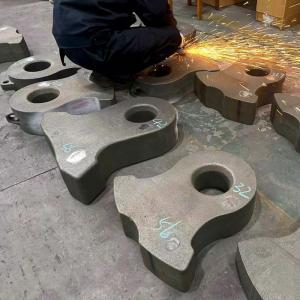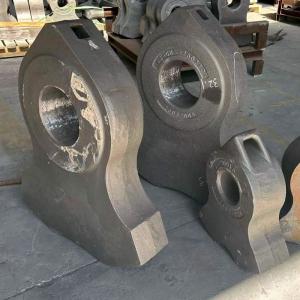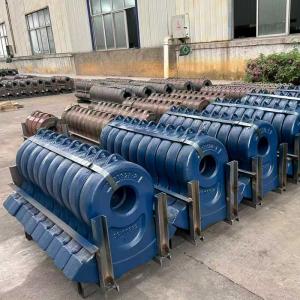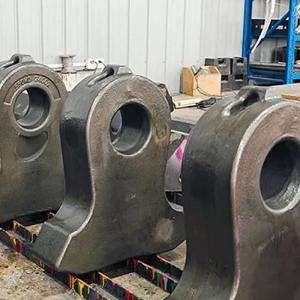
Construction machinery stands as the indispensable core of global infrastructure, urbanization, and industrial construction. It refers to a full range of mechanized equipment designed for earthmoving, lifting, concrete processing, road construction, mining, and engineering installation. From residential buildings and commercial complexes to highways, bridges, airports, railways, water conservancy, and energy projects, construction machinery turns engineering blueprints into physical reality with high efficiency, safety, and precision. As a pillar of the equipment manufacturing industry, it represents a nation’s industrial capability and technological level, driving economic growth and employment worldwide.
Major Categories and Core Functions
Construction machinery is classified by function into several key groups, each serving irreplaceable roles on job sites:
Earthmoving Machinery: The most widely used category, including excavators, bulldozers, loaders, motor graders, and scrapers. They handle digging, pushing, leveling, loading, and transferring soil, rock, and construction materials, laying the foundation for site preparation and earthworks.
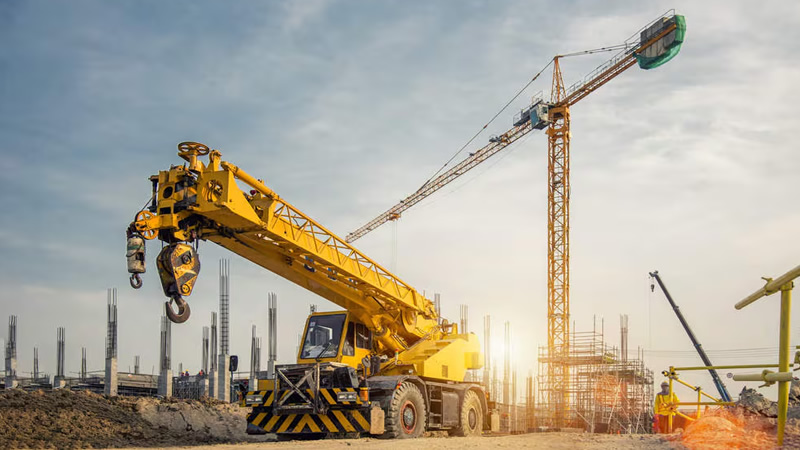
Lifting and Handling Machinery: Including tower cranes, truck cranes, crawler cranes, forklifts, and aerial work platforms. They provide vertical and horizontal material handling, essential for high-rise construction, prefabricated assembly, and heavy component installation.
Concrete Machinery: Covering concrete mixers, batching plants, pump trucks, and vibrators. These machines ensure efficient mixing, transportation, and pouring of concrete, guaranteeing structural strength and construction speed.
Road Construction and Paving Machinery: Including asphalt pavers, rollers, road milling machines, and asphalt mixing plants. They support high-quality road surface construction, maintenance, and renovation.
Specialized Engineering Machinery: Such as pile drivers, tunnel boring machines (TBMs), drilling rigs, and demolition equipment. They tackle complex tasks like foundation treatment, underground engineering, rock excavation, and old building dismantling.
Indispensable Role in Economic and Social Development
The construction machinery industry is a powerful engine for modernization. It drastically reduces manual labor, shortens project cycles, improves construction quality, and lowers overall costs. Supported by advanced machinery, large-scale infrastructure projects become feasible, boosting connectivity, urban expansion, and industrial upgrading.
Globally, rising investment in transportation networks, energy facilities, affordable housing, and smart cities continues to drive demand for reliable and efficient construction equipment. Emerging economies accelerate urbanization, while developed nations focus on renovation and low-carbon retrofitting, creating a stable and expanding market for construction machinery.
Technological Innovation: Electrification, Intelligence, and Greening
In recent years, the industry has entered a new era of transformation led by technology and sustainability:
1.Electrification and New Energy: Diesel-dominated equipment is gradually replaced by battery-electric, hybrid, and hydrogen fuel cell machinery. Zero-emission models reduce noise and carbon footprint, meeting strict environmental regulations while lowering operating costs.
2.Intelligence and Automation: Integration of 5G, IoT, GPS, and AI enables remote monitoring, autonomous operation, and predictive maintenance. Unmanned excavators, smart fleet management, and digital twin platforms improve safety, efficiency, and management transparency.
3.Green and Low-Carbon Development: Energy-saving designs, recyclable materials, and remanufacturing extend equipment life cycles. Efficient engines and intelligent control systems cut fuel consumption, supporting global carbon neutrality goals.
4.Modular and Lightweight Design: Standardized components enhance versatility, maintainability, and adaptability to diverse working conditions, reducing downtime and total cost of ownership.
Challenges and Future Outlook
Despite strong momentum, the industry faces challenges: fluctuating raw material prices, high R&D costs, strict emission standards, and global supply chain adjustments. Yet the long-term outlook remains optimistic.
Future development will focus on four directions:
Full-line Electrification: Larger electric models and fast-swap battery systems will become mainstream.
Smart Job Sites: Closed-loop autonomous construction will improve efficiency and reduce labor dependency.
Globalization and Localization: Leading manufacturers expand overseas production and services to better serve regional markets.
Circular Economy: Remanufacturing, lifecycle services, and material recycling will become core competitiveness.
Conclusion
Construction machinery is more than metal and machinery; it is the driving force behind human settlement and progress. From traditional mechanical equipment to intelligent, zero-emission systems, it continuously evolves to meet the demands of a changing world. As infrastructure investment and urbanization advance globally, the construction machinery industry will keep innovating, supporting safer, greener, and more efficient construction, and laying a solid foundation for sustainable development and a better future.