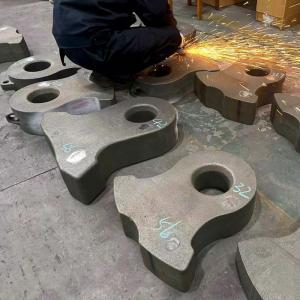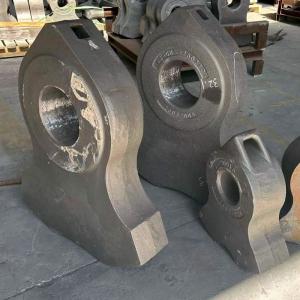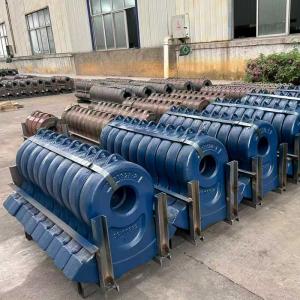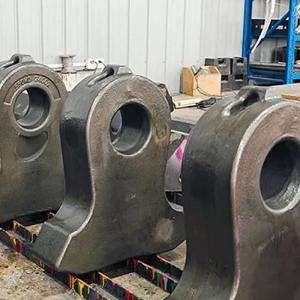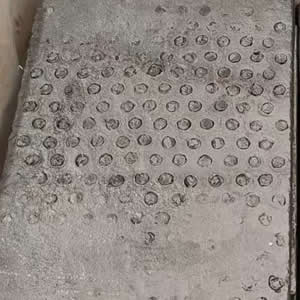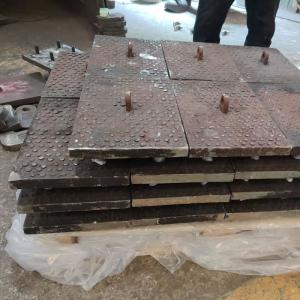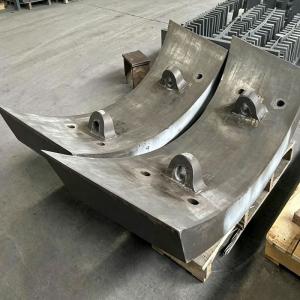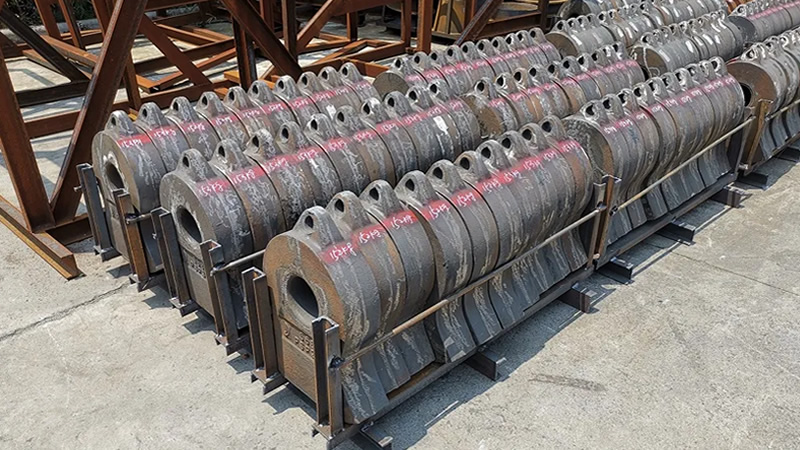
In modern recycling, crushing, and resource processing industries, the shredder hammer stands as a critical wear part and the heart of hammer mill shredders. It directly undertakes high‑frequency, high‑intensity impact, tearing, and grinding to break bulky, solid, or bundled materials into uniform particles. Without high‑performance shredder hammers, stable and efficient operation of metal recycling, construction waste disposal, biomass processing, and waste treatment lines would be impossible. As a key consumable that determines throughput, product size, and operating cost, the shredder hammer has become a benchmark component for measuring shredding equipment reliability.
Working Principle
A shredder hammer is mounted on a high‑speed rotating rotor inside the shredding chamber. Driven by centrifugal force, the hammer strikes incoming materials repeatedly, causing fracture, deformation, and disintegration. Materials are beaten against the inner wall of the chamber until they are small enough to pass through a screen or grate at the bottom, which controls final particle size. Unlike cutting or shearing tools, shredder hammers rely on impact and grinding to achieve size reduction, making them highly adaptable to hard, irregular, and high‑strength materials.
Material and Performance Advantages
To withstand severe wear, impact, and fatigue, shredder hammers are usually made from high‑manganese steel, alloy steel, forged steel, or composite materials with surface hardening. High‑manganese steel hammers feature excellent work‑hardening behavior: under heavy impact, the surface becomes harder while maintaining internal toughness, resisting breakage in harsh conditions. Forged hammers have compact internal structure, high density, and outstanding resistance to cracking, extending service life and reducing unexpected downtime. Advanced composite hammers with tungsten carbide or ceramic inserts further improve wear resistance, making them ideal for highly abrasive materials.
Key advantages of high‑quality shredder hammers include:
●High impact resistance and toughness, not easy to break or drop pieces.
●Excellent wear resistance, prolonging replacement cycles.
●Stable shredding effect and consistent particle size.
●Optimized structure design to improve crushing efficiency and reduce energy consumption.
●Good versatility, suitable for multiple working conditions and material types.
Main Applications
Shredder hammers are widely used in various industrial scenarios where volume reduction and resource recovery are required:
Metal recycling: Shredding scrap cars, steel scrap, aluminum alloy, waste appliances, and cans.
Construction waste processing: Crushing concrete, bricks, stones, and asphalt blocks into reusable aggregates.
Biomass and wood processing: Grinding wood waste, branches, straw, and furniture for fuel or recycling.
Solid waste treatment: Reducing volume of household waste, industrial waste, and plastic waste.
Battery and e‑waste recycling: Breaking battery shells, circuit boards, and electronic components for material separation.
Development Trend
With the global promotion of circular economy and green manufacturing, the demand for efficient, low‑consumption, and long‑life shredder hammers is growing rapidly. Modern manufacturers are continuously improving material formulas, heat treatment processes, and structural design to achieve higher performance and lower cost‑per‑ton. Digital design and precision manufacturing help optimize hammer weight distribution, impact angle, and wear distribution, boosting overall shredding efficiency. In the future, intelligent monitoring, material customization, and remanufacturing technologies will further enhance the value of shredder hammers, supporting safer, more efficient, and more environmentally friendly industrial production.
Conclusion
The shredder hammer is more than a wearing part; it is a core component that supports resource recycling and industrial efficiency. Its material innovation, structural optimization, and performance improvement directly drive the upgrading of shredding technology across industries. As global demand for environmental protection and resource reuse continues to rise, high‑performance shredder hammers will play an increasingly important role in building a sustainable, low‑carbon, and circular industrial system.